Buy Local Honey
Supporting local honey keeps local beekeepers thriving, which means more bees, more pollination, and more flowers. This creates a healthier, more vibrant environment for your entire region.
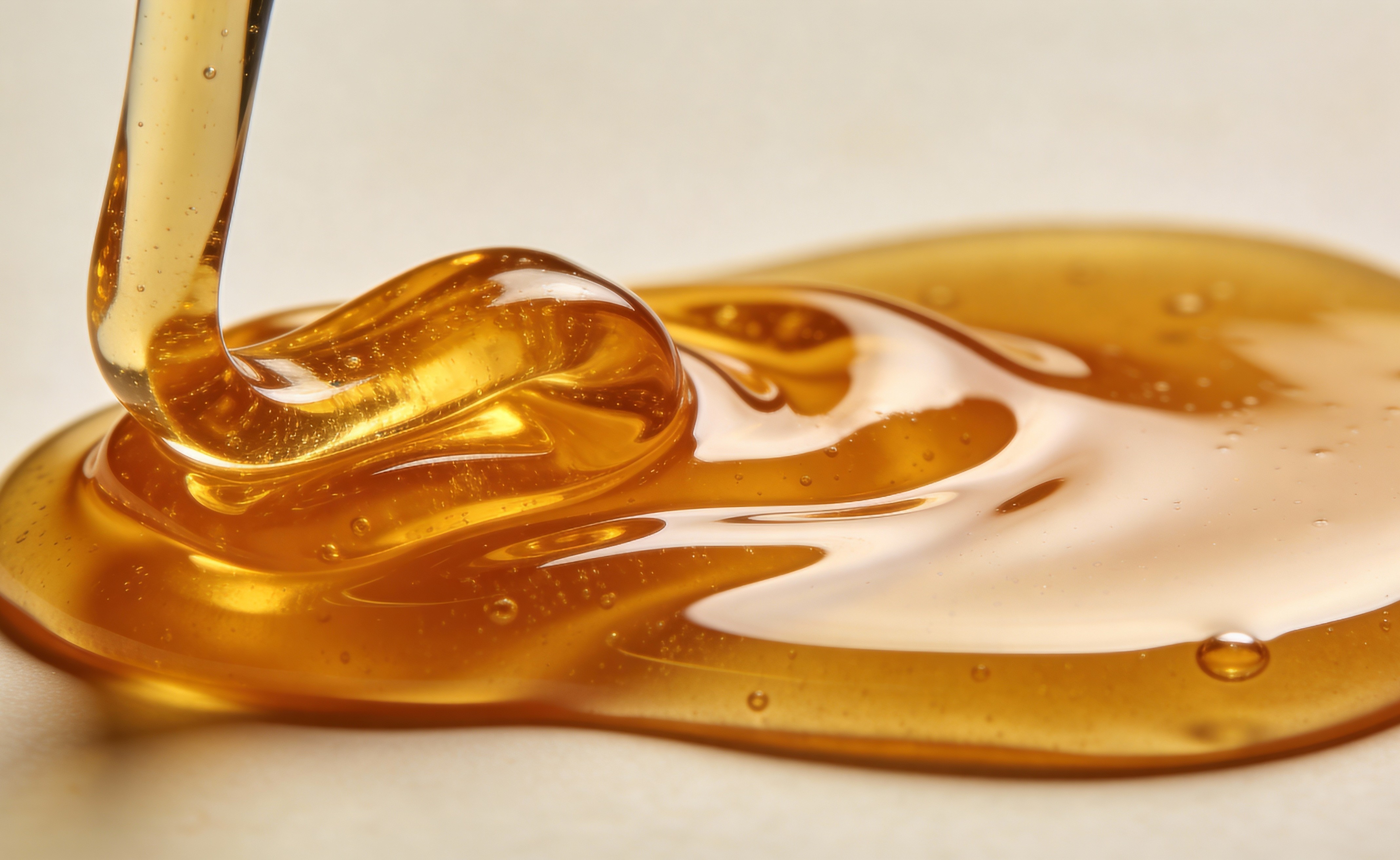
Each region creates unique honey due to:
Bees gather nectar from wildflowers
Enzymes transform the nectar inside the hive
Bees evaporate moisture to thicken the honey
Honey is stored in the comb and sealed naturally
A pure process — perfected by nature
Harvested locally and delivered without long storage or transport.
Retains natural enzymes, antioxidants, and nutrients
Empowers regional farmers and sustainable livelihoods.
Encourages healthy plant pollination and ecosystems.
Protects soil, wildlife, and natural balance.
Helping bees doesn’t require a huge garden or major lifestyle changes. Even small actions make a real difference
Supporting local honey keeps local beekeepers thriving, which means more bees, more pollination, and more flowers. This creates a healthier, more vibrant environment for your entire region.
Pesticides harm bees and pollute flowers.
You don’t need a full garden.
One single flower pot helps bees.
These give bees the nectar and pollen they depend on.
Leave a small area a bit “wild.” Stems, leaves, and natural spaces help bees nest and feed.
Choosing ethically harvested honey encourages better farming, cleaner land, and a safer region for bees.